
Aleyse Shannon: From NYC Park Benches to Netflix’s No. 1 Show
If Aleyse Shannon’s acting career feels intentional, it’s because it is—but the origin story is anything but scripted. Hers doesn’t begin with childhood auditions or a lifelong dream of the spotlight. It starts with a spark: a high-school drama teacher who saw something flicker in her and nudged her onto a stage she didn’t yet know she needed. One event led to another, and soon enough, she was at the revered Carnegie Mellon University, charting a path toward stardom.
Today, Aleyse has carved out a résumé rich with range—from Netflix’s The Beast in Me to the CW’s Charmed reboot and more—and a growing list of characters who feel lived-in and distinctly hers. What’s most striking about Aleyse, though, isn’t even the work. It’s the way she approaches her journey: with a muted, but definitive confidence that’s rooted in faith. She’s still hungry, still exploring, still finding new corners of herself wherever she lays her feet.
We recently connected for a conversation that captures a budding artist in motion: someone who’s tasted the success many dream of yet is still only scratching the surface. Aleyse spoke candidly about her unlikely start, days spent sleeping on New York park benches, why she doesn’t care to be famous, navigating the industry as a Black queer woman, and much, much more. This conversation has been edited for length and clarity.
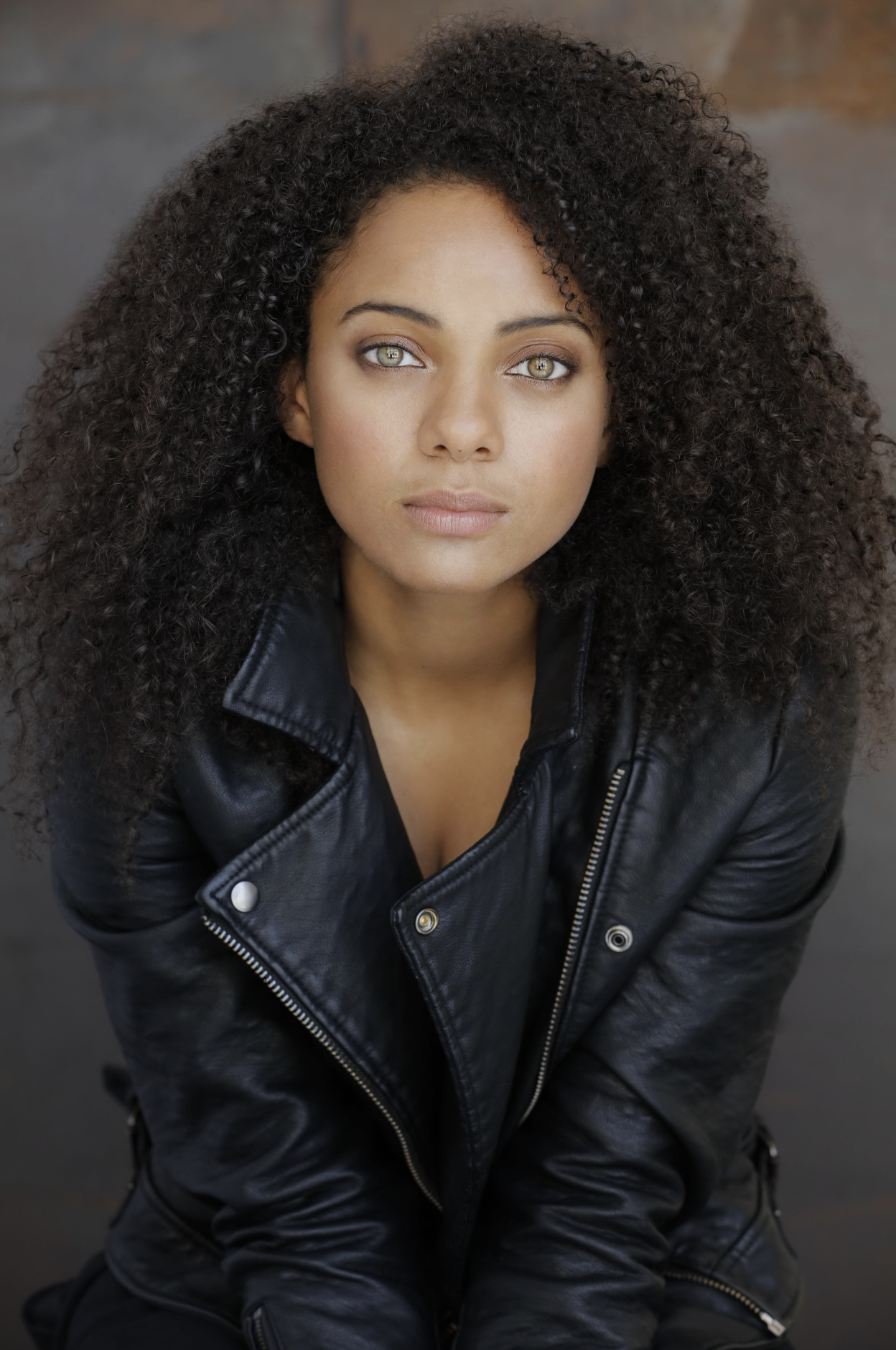
Curtis Rowser III: I hate to start with this cliche question, but I have to; how did you get into acting?
Aleyse Shannon: So, music was actually my first love. I was in piano lessons and guitar lessons growing up, and I had never thought about acting. Then in high school, I had to choose an elective just to fill up a spot, and I chose drama. My [first] drama teacher made me audition for the school musical. He was like, You’re really good, and I’m gonna find a way to fail you if you don’t audition for this. So I ended up getting a part in it, and just did drama throughout high school. But I got to the point in senior year where I just thought I wasn’t gonna go to college. I was halfway through my senior year, and I hadn’t even taken my SAT. So my drama teacher [from senior year] wrote down a list of seven schools for me to apply to for acting, and she drove me around to all of them for my auditions. I got into most of the schools I auditioned for, and the biggest school I got into was Carnegie Mellon. But I didn’t get in as a musical theater major, I only got in as an actor. So I went to Carnegie, and then it went from there.
Walk me through your experience at Carnegie. How did that experience open your eyes to the industry with this being all so new to you?
I thought I was swimming upstream a lot. I was pretty level-headed and cool as a cucumber. When you have the energy of not wanting something too bad, you can end up attracting it to you, as opposed to it running away from you. I think that’s why I got through. Getting into Carnegie was good, but I didn’t know it was such a great school almost until I got there. They only take six boys and six girls for both acting and musical theater, so your whole class is only 24 people. So you feel lucky to be there.
I think the work ethic is the only thing I think carried over from the program to my real world—and the basic principles of acting as well. But being on set and being in this industry is a lot more about popping your shit and being confident in what you can do—more so than just being a good actor. Sometimes the worst actor with the most confidence comes out with the best performance. I think people-pleasers in this industry often fail; and I was a people-pleasing kid. I had to really start doing my art for me.
One last thing on Carnegie. How did you find your way navigating this path as a young Black woman, who essentially stumbled upon acting, among people who’ve dreamt of this their entire lives?
I remember I was prayerful at the time, very prayerful. And it reminds me of the saying, God doesn’t always call the qualified, sometimes he qualifies the called. I just remember being called, and I look up at 22, and all of a sudden I’m qualified to do this job. I just went where I was called, and became qualified. That’s what I try to do. I usually do bad work, I’m in a bad show, or have a bad time when I try to call myself to something. It just doesn’t work.
What was your thought process as you were preparing for the next chapter after school?
I was very concerned about where things were going to go. I needed to move to the city and I didn’t have a place to stay. I came to the city and I kept $25 in my bank account because that’s how much it cost to take the Megabus back home to Union Station. For the first two months, I would stay at Empanada Mama throughout the night, and sleep in the park during the day. If it was raining, I would try to sit in Starbucks. That’s how I got into drinking Black coffee—it’s the cheapest thing on the menu and it had free refills. I had the cheapest Planet Fitness membership at the time, too, so that I could shower and do my makeup. I had a whole system.
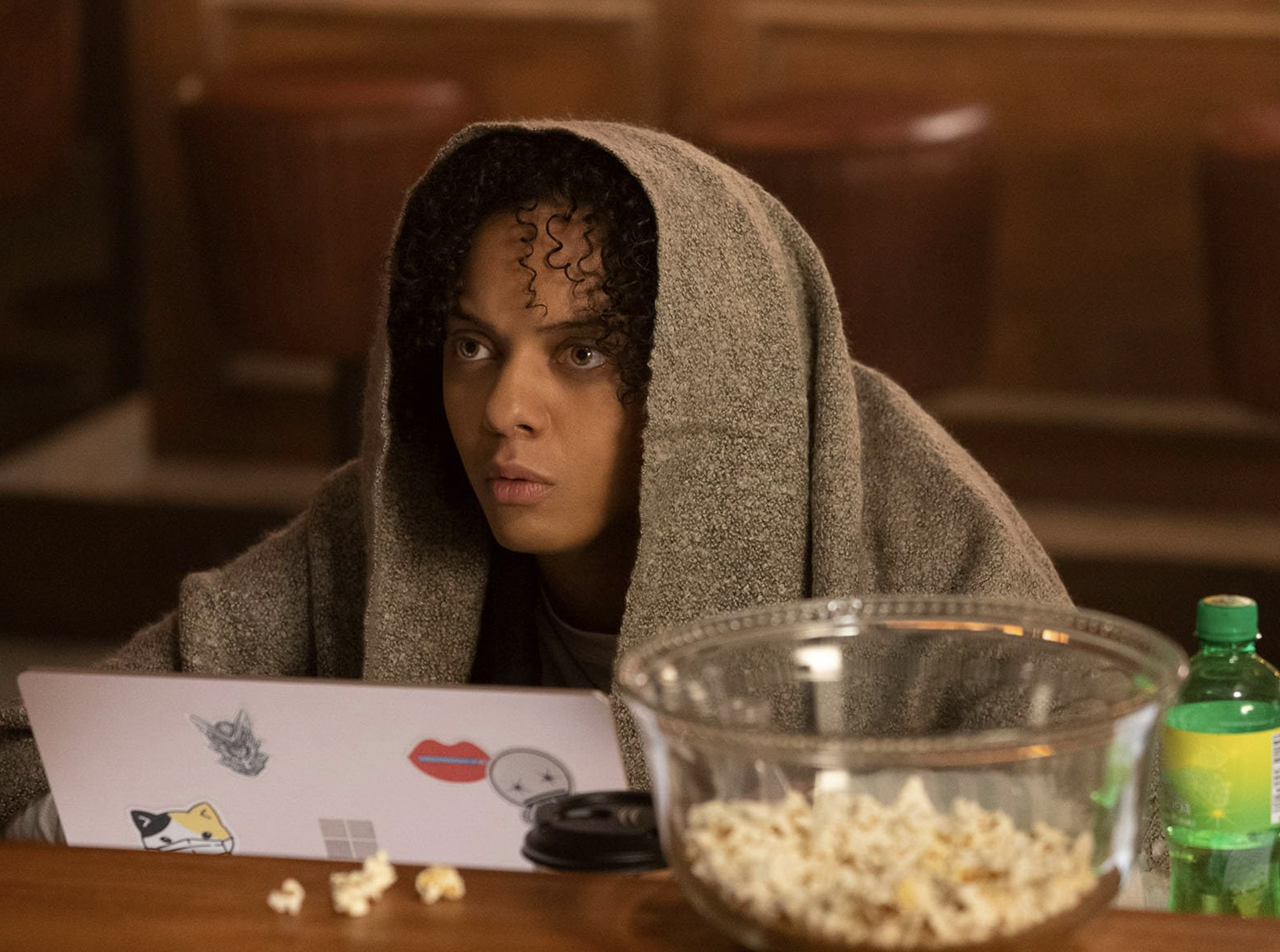
Once you started to settle in, how were you navigating at this point? Did you hit the ground running?
When I finally got my first apartment in Flatbush, I never even bought a bed; I bought an air mattress. I didn’t even buy hangers for the first two months there. I was like, I feel like God is gonna give me a job that’s gonna take me away as soon as I unpack. Then I remember walking through Times Square randomly, and I was like, Man, I’ll get a poster for my bedroom and a pack of hangers. So I finally set my room up, and I had auditioned for a recurring guest role on Charmed. That weekend that I finally nailed that picture of Muhammad Ali to my wall, I booked the job and had to go to Canada. It was like God telling me, Be happy with what I give you at all times. Let me know you appreciate the blessing of this apartment, and then I’ll move you. That was my first key role, industry-wise. I did a small independent movie before that, which gave me a lot of confidence. But Charmed was the beginning of my career. It was the first time people could take me seriously. I did 11 episodes that first job, and I was only supposed to do three.
Fast forward to today, and you’re definitely finding your way and carving out your space in film, television, Broadway, etcetera. But being a budding artist in a fickle industry inevitably comes with anxieties. You’ve been through Covid, an unprecedented Hollywood strike, etcetera. How do you manage slow periods and moments of anxiousness?
I think any artist who does gig work, or works project-to-project, goes through a slight depression when you get done doing something, because you don’t know when that next chance is coming up. But you’re also relieved and happy for rest, and can return back home and catch up with friends and family. So you kind of take the bad with the good in those periods. … You also feel at one with your community again, you feel at one with being a young and hungry artist—and that’s fulfilling in some ways.
I think the best way to get through that period is to just focus on being a person. And it’s gonna sound so cliche, but I really mean it. If you focus on the skills you wanna sharpen or on other interests that you have, you never know when the next job might be coming up. … My favorite times have been when I’m panicked about money. But instead of buying clothes, I take my ass to the boxing gym, and I go, Well now I have a boxing reel to show people just in case Marvel comes around. It feels so good to have a new skillset—not a goal, but a skillset—that I’m genuinely interested in.
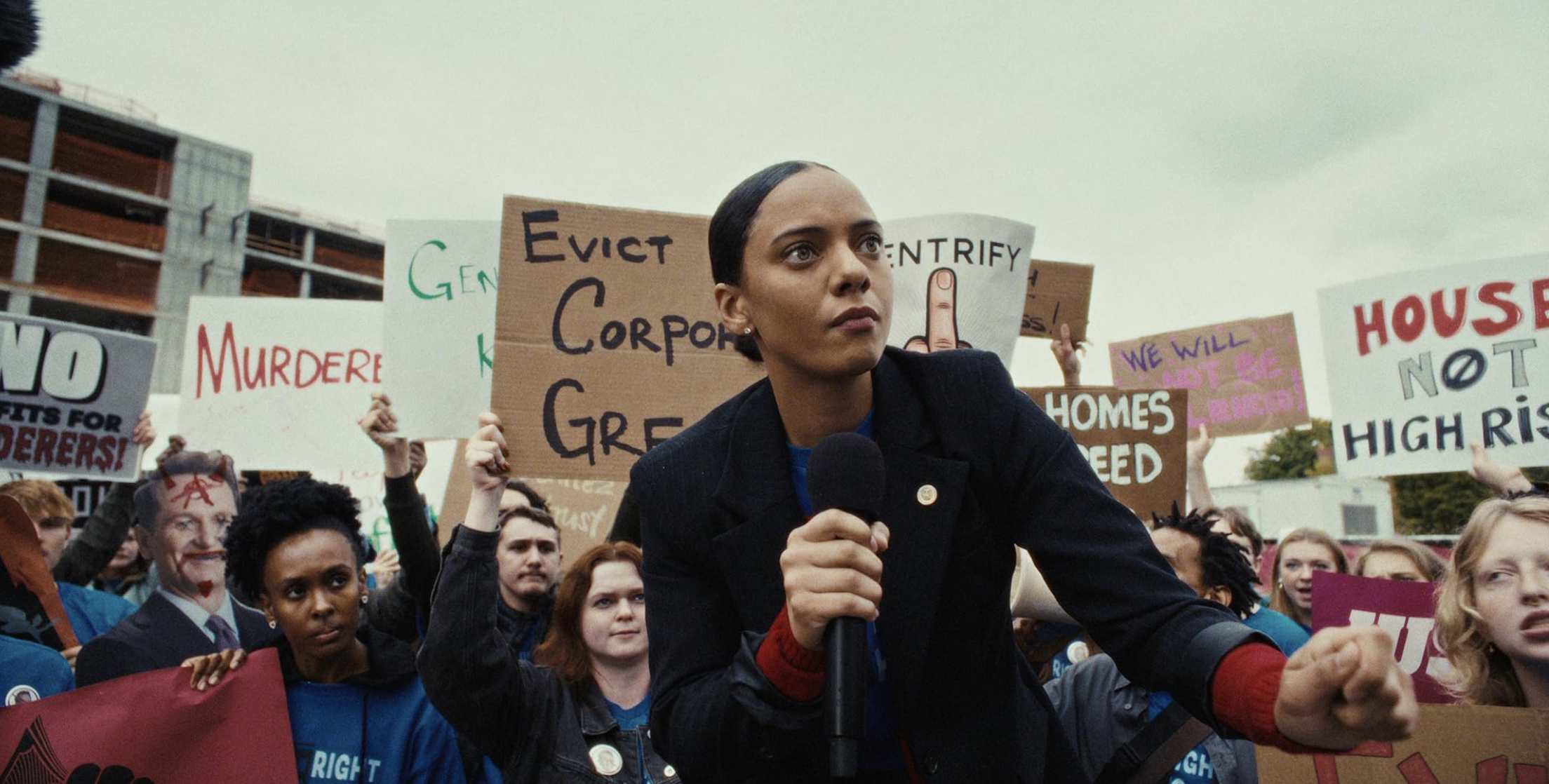
How have your intentions with acting changed as your career develops, if at all?
My intention was, I wanted to send out everything and offer all of myself. I wanted it all to be consumed by the industry, by audiences, by fans, by directors, by writers. And now, growing up and having done that several times over, I have found you can lose yourself in doing that. My intentions have changed with acting. I want more discernment: for better things, for what part of myself I want to keep, for the people that I’m working with. I don’t just want to book anything, I want to book the right thing at the right time. Often when we’re young, artists are called arrogant for wanting the right thing at the right time, because to have anything is a blessing. But once you get past that point, you have to start going, Okay, I’m not doing great work here. I need to find the right thing for me, the thing that I can really contribute to in a quality, creative way. That’s my intention now.
How much does being a quote-unquote Hollywood star mean to you at this point in your career?
I’m starting to fall in love with actors who retain their privacy. I was never in love with fame. If becoming quote-unquote Hollywood is a thing to be done, I would rather it be a byproduct of the work that I was able to do. I shoot for access over fame. I would love to have access to the best minds, most creative minds, talented directors, and talented writers. And if fame gives me access, then bring it on. If fame doesn’t give me access to be able to work with who I wanna work with, I don’t need it.
Finally, what would you advise a young actor, specifically a young Black woman, trying to crack into this industry?
I will caveat this—I’m light-skinned and biracial, and there’s still privilege in that. The advice that I give can only ever be from my stance. But as a Black, female, queer actress, what comes to mind is this: you only have to show people one time, for them to be able to see you as “the thing.” That’s how I’ve functioned, and I’ve gotten a lot of space to create and imagine because of that. … If you only do what you think other people want from you, even as a young Black woman, you will only have yourself to blame. You might fail, you might get people not fucking with you. But if you never try it, you will only have yourself to blame for keeping you in a box. I want so much for young, Black women. We are so talented, not a monolith. We’re so funny, intelligent, creative, imaginative, innovative. This whole pigeonhole box thing has to go. Sometimes, you gotta pop out and show.
